
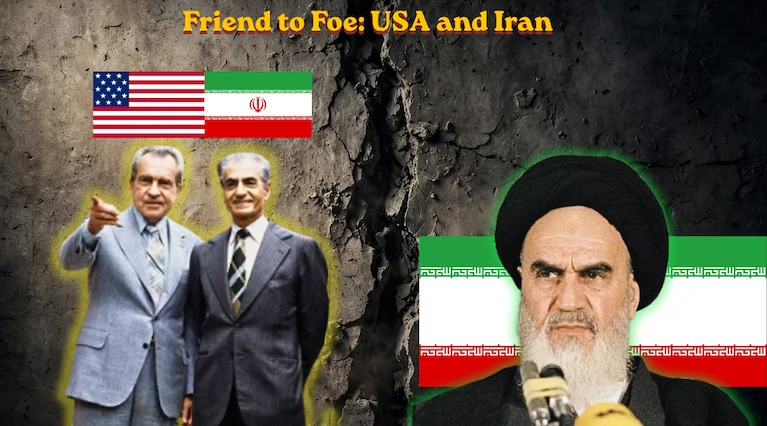
In the wake of the recent US-Iran conflict, most people know the two nations as bitter adversaries. But what if I tell you that they used to be great friends? What started with cooperation and hope slowly fell apart into mistrust, coups, revolutions and hostage crises. Then, how the US and Iran relations soured? how Iran went from friend to foe of the USA? To understand how Iran changed from a friend to an enemy we need to look at the moments that shaped this complicated history.
Early Connections and World War II
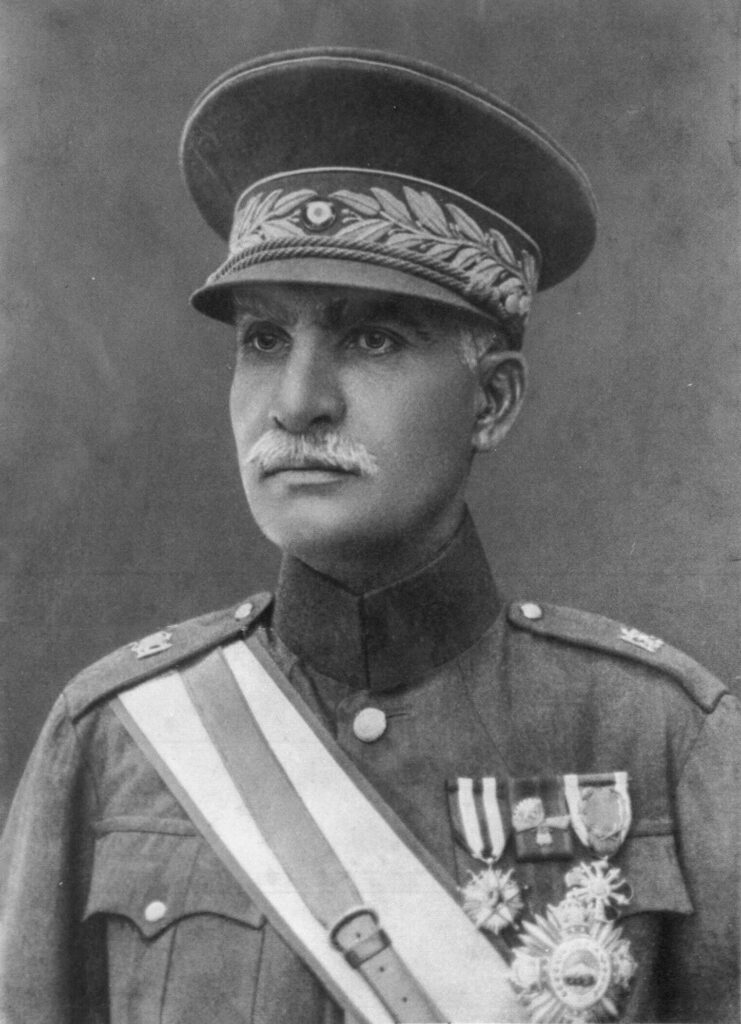
American missionaries had been in Iran since the 1800s but the United States and Iran did not really start working together until World War II. Iran said it would stay neutral. Britain and the Soviet Union invaded Iran in 1941 to get control of its oil and supply routes. The Shah was forced out. His son, Mohammad Reza Shah Pahlavi took his place.
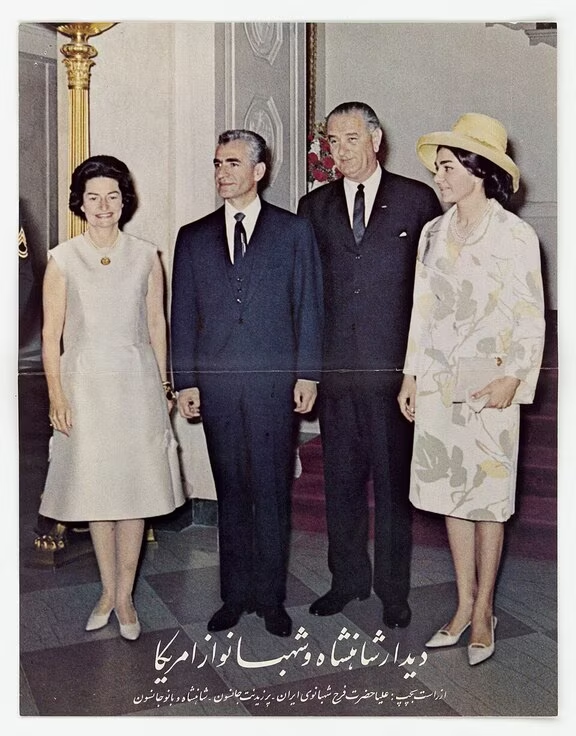
The young Shah looked to the United States for help to counter the countries that had invaded Iran. The United States helped get the foreign troops to leave Iran after the war and sent advisors to make Iran’s army and government stronger. At that time the relationship between the United States and Iran seemed promising. Like a start after decades of interference from Britain and Russia.
Mossadegh and the 1953 Coup
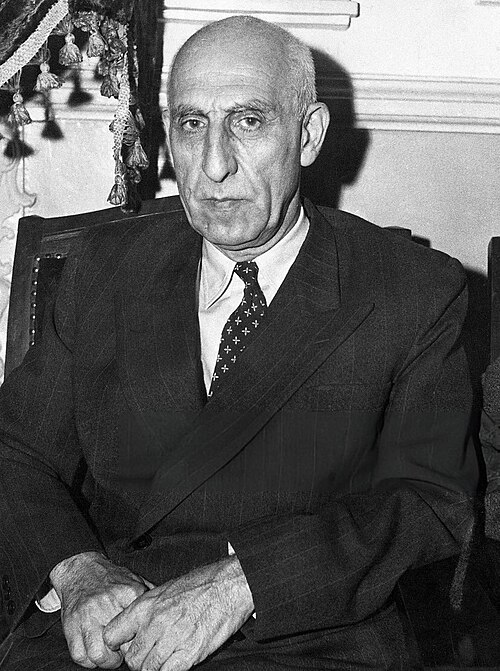
But that optimism did not last long. In 1951 Prime Minister Mohammed Mossadegh took control of Iran’s oil industry, which had been controlled by Britain for a time. At first the United States supported Iran’s goals. Soon, the United States got worried about the Cold War and changed its policy.
In 1953 the Central Intelligence Agency and British intelligence worked together to overthrow Mossadegh and put the Shah back in power. For Iranians this was a betrayal. For Iranians, this was a betrayal — proof that America, like Britain and Russia before it, was willing to meddle in their sovereignty. For the Shah, it reinforced dependence on U.S. support while tightening his grip on power.
This coup became a scar in Iran’s political memory, one that would come up again with force decades later.
The Shah’s Time: From Dependency to Partnership
From the 1950s to the 1970s the relationship between the United States and Iran went through phases:
1953-1960s: Relying on the United States
Iran depended heavily on aid and protection from the United States. The Shah aligned Iran’s policy with the United States, joined defense agreements and built ties with Israel.. This closeness made many Iranians, especially the younger generation unhappy as they saw monarchies falling apart across the Middle East.
1960s-1970s: Becoming More Independent
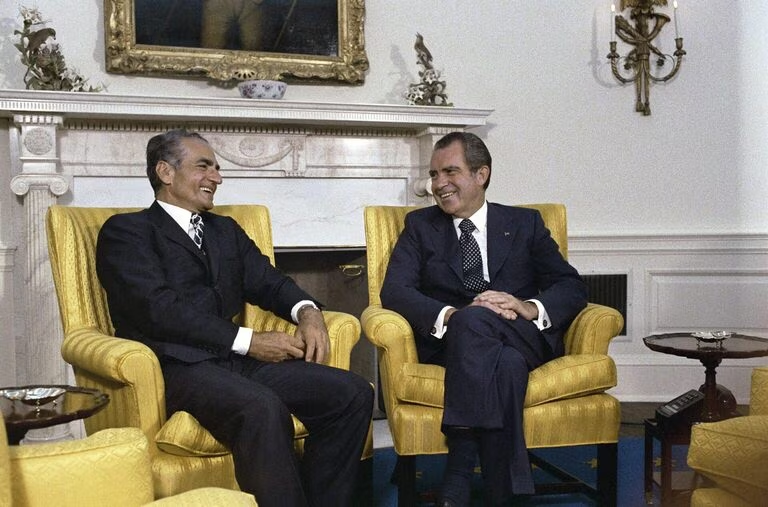
As Iran’s oil revenues increased the country got economic power. The Shah resisted the United States’ control asserting Iran’s role as a power. The Nixon Doctrine further empowered Iran as a “twin pillar” of Gulf security alongside Saudi Arabia.
| The Nixon Doctrine: The Nixon Doctrine, outlined by President Richard Nixon in 1969, declared that the U.S. would continue to provide economic and military aid to its allies, but those nations would bear the primary responsibility for their own defense. |
1973-1979: Tension
The oil boom made Iran’s revenues four times bigger turning it into a country that lent money to others. Iran became a market for United States arms and technology.. Rapid industrialization caused economic problems leading to unrest. The United States, focused on stability and trade, did not press the Shah to make reforms. A missed chance that contributed to the coming revolution.
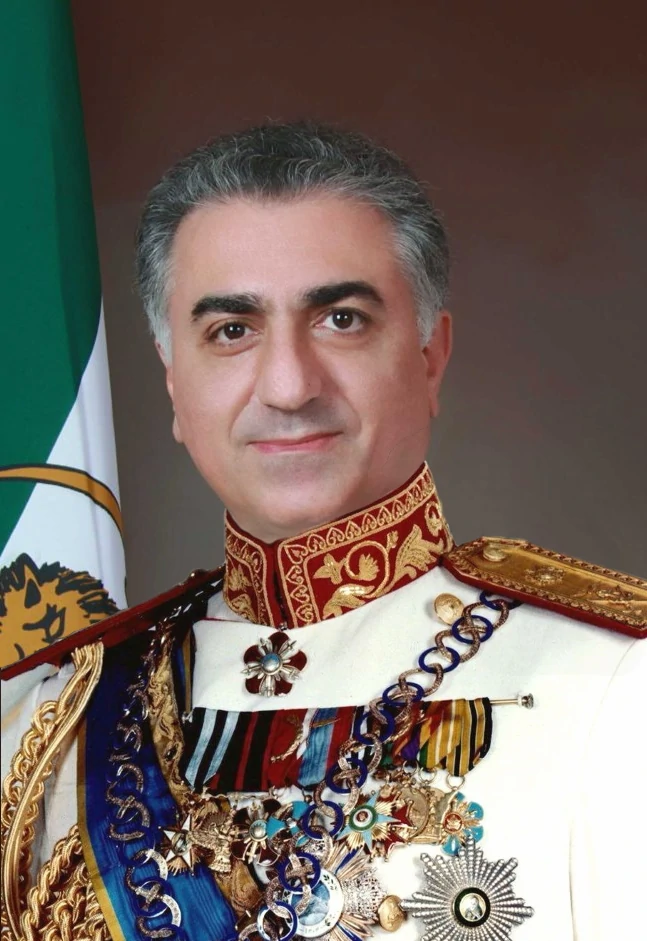
Mohammed Reza Shah
Seeds of Revolution
By the 1970s Iran’s political climate was volatile. The Shah’s regime suppressed dissent while economic problems widened divides. The Status of Forces Agreement in 1964 which gave immunity to United States personnel, became a symbol of foreign control. Ayatollah Khomeini, who opposed it, was exiled. A decision that would later prove important.
Anti-United States sentiment grew steadily. For Iranians the United States was no longer a protector but a supporter of autocracy. When the Islamic Revolution broke out in 1979 it was. A rejection of the monarchy and a rejection of United States influence.
| Status of Forces Agreement in 1964: SOFAs are multilateral or bilateral agreements that establish the framework under which U.S. military personnel operate in a foreign country and how domestic laws of the foreign jurisdiction apply toward U.S. personnel in that country. |
Hostage Crisis
The overthrow of the Shah marked the start of hostility. Khomeini used anti-United States rhetoric portraying the United States as complicit in decades of repression.
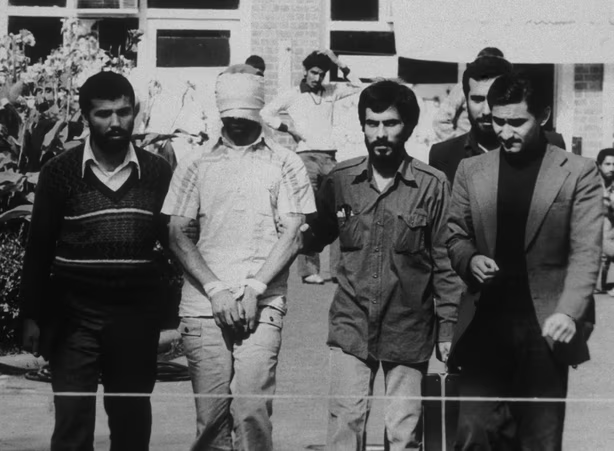
The seizure of the United States embassy in Tehran in November 1979 was a turning point. Fifty American diplomats were held hostage for 444 days. For Iranians it was a victory; for Americans it was a humiliation that stuck in memory. This single event made both sides very angry.
The Iran-Iraq War and United States Support for Saddam
When war broke out between Iran and Iraq in 1980 the United States initially stayed neutral.. As Iran gained ground the United States started supporting Saddam Hussein providing intelligence and ignoring Iraq’s use of chemical weapons. For Iranians this was proof of United States hostility.
The war deepened mistrust reinforcing Iran’s view of the United States as an enemy aligned with regimes.
Failed Attempts at Reconciliation
Despite the hostility there were moments when the United States and Iran tried to reach out to each other:
- President George H.W. Bush’s appeal “Good will breeds good will” led Iran to help release hostages in Lebanon but there was no response from the United States.
- In the 1990s Iran offered an oil deal to a United States company, Conoco but the United States blocked it.
- President Clinton made efforts to reach out especially in his second term but the divisions between the two countries remained.
The obstacles were clear. Iran wanted the United States to end sanctions and isolation while the United States insisted Iran change its stance on Israel, Hezbollah and nuclear ambitions.
Entrenched Hostility in the Modern Era
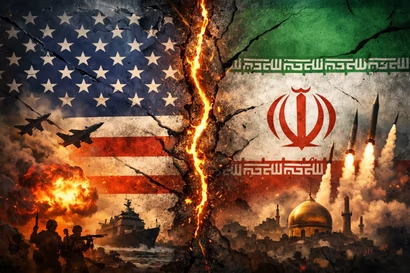
By the 2000s the hostility between the United States and Iran had become a fixed policy. Iran’s support for Hezbollah and Hamas, its opposition to Israel and its nuclear program made reconciliation difficult. Meanwhile, United States sanctions and isolation reinforced Tehran’s narrative of victimhood.
Iran saw itself as a regional power while the United States viewed it as a destabilizing force. This clash of visions ensured continued rivalry.
A Sad Story
The US and Iran relations is often described as a tragedy and a story of missed opportunities. If the United States had not supported the 1953 coup, pressed the Shah for reforms or responded differently to the revolution, history might have turned out otherwise. How Iran Went from Friend to Foe of the USA? is just one part, they continue to become more and more hostile to each otheris much more concerning for the world.
Today Iran sees the United States as the “Great Satan” while the United States views Iran as part of an “Axis of Evil.” The story of how Iran became an enemy is not just history. It is a warning about how alliances can fall when trust is broken.
References:
The Persian Puzzle: The Conflict Between Iran and America
America and Iran: A History, 1720 to the Present
If you are interested in contents related to Indian History, Please take a look here.