
Introduction
The Indus Valley Civilization was one of the civilizations of the ancient world. It was as big as The Indus Valley Civilisation was alongside Egypt and Mesopotamia. It is also known as Harappan civilization mainly because first discovered site was found in Harappa (a place in present Pakistan). The Indus Valley Civilisation existed from around 3300 to 1700 before our time. This was a step forward for humans. The Indus Valley Civilisation was very good at planning cities. Making new things. The Indus Valley Civilisation was bigger than Egypt and Mesopotamia put together. The Indus Valley Civilisation covered a lot of land in day Pakistan, northwestern India and parts of Afghanistan.
Discovery and History
People did not know about The Indus Valley Civilisation until 1924. Sir John Marshall told the world about The Indus Valley Civilisation. He was the head of the group that looked at things in India. People in the area knew about the cities like Harappa and Mohenjo-daro.. It was not until people like Daya Ram Sahni and R.D. Banerji dug deeper that we found out these cities were very advanced.
The Indus Valley Civilisation had three parts:
- Early Indus Valley Civilisation time (3300–2800 before our time): This was when people moved from farms to towns.
- Main Indus Valley Civilisation time (2600–1900 before our time): This was when cities were at their best. Everything was standardized, from buildings to things people made.
- Late Indus Valley Civilisation time (1900–1700 before our time): This was when The Indus Valley Civilisation started to decline. Cities got smaller. People moved to other areas.
City Planning and Buildings
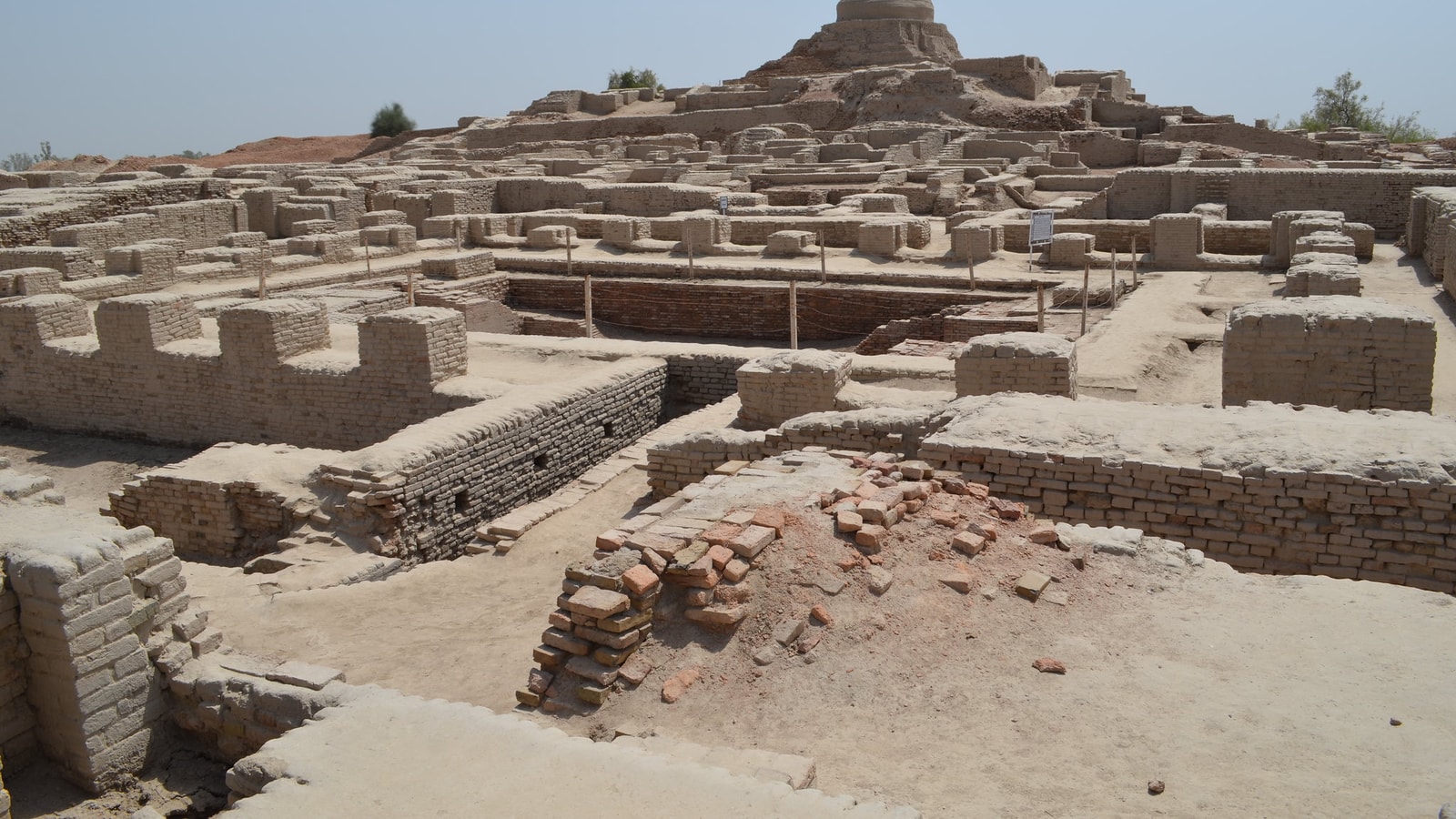
The Indus Valley Civilisation was very good at planning cities. The Indus Valley Civilisation cities like Mohenjo-daro and Harappa were built in a way. The main streets crossed each other at angles. This shows that The Indus Valley Civilisation had a good government or people worked well together. To stop the Indus River from flooding the cities The Indus Valley Civilisation built the cities on ground.
City Design
The Indus Valley Civilisation cities were very clean. Houses had their bathrooms and the streets had special drains. The drains were. Had special holes to clean them. This was very rare in times.
Cleanliness
The Indus Valley Civilisation was very clean. The Indus Valley Civilisation people built drains and bathrooms. The streets were clean. The Indus Valley Civilisation people were very healthy.
Economy and Trade
The Indus Valley Civilisation economy was very strong. The Indus Valley Civilisation people grew their food and traded with other people.
Farming
The Indus Valley Civilisation people grew wheat, barley, peas, sesame and cotton. The Indus Valley Civilisation people made clothes from cotton. Traded them with other people.
Trade
The Indus Valley Civilisation people traded with people. The Indus Valley Civilisation people traded with people from Mesopotamia. The Indus Valley Civilisation people sent luxury items, wood, precious stones and clothes to people.
Culture and Technology
The Indus Valley Civilisation people made things. The Indus Valley Civilisation people made bricks, tools and clothes.
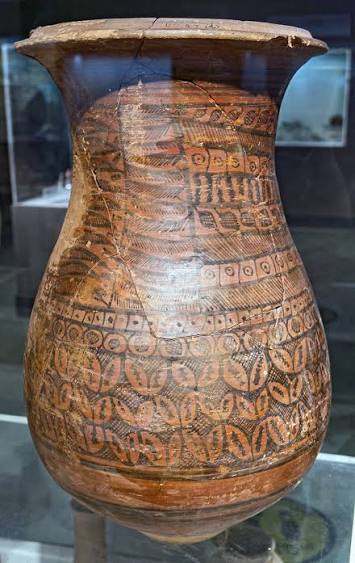
- Tools and Things The Indus Valley Civilisation Made: The Indus Valley Civilisation people were very good at making things. The Indus Valley Civilisation people made tools from copper, bronze, tin and lead.
- The Indus Valley Civilisation Writing: The Indus Valley Civilisation people had their way of writing.. We do not know what it means. The Indus Valley Civilisation people wrote on stones and tablets.
- Special Stones: The Indus Valley Civilisation people made stones with animals on them. The Indus Valley Civilisation people used these stones to sign their names.
Social Structure and Government
The Indus Valley Civilisation people did not have palaces or temples. This shows that The Indus Valley Civilisation people did not have a king or a big government.. The Indus Valley Civilisation people had a very organized society. The Indus Valley Civilisation people had a system for managing resources and labor.
Decline and Legacy
Around 1900 before our time The Indus Valley Civilisation started to decline. The Indus Valley Civilisation people had to leave their cities. The Indus Valley Civilisation people moved to areas, with more water. The Indus Valley Civilisation people left behind a legacy. The Indus Valley Civilisation people made new things and planned their cities very well. The Indus Valley Civilisation people were very smart. Made a great society.
If you still have questions on “How was Indus Valley Civilization”, you might want to refer to : Indus Valley Civilization
If you are interested in knowing about Ashoka, give it a read.